
Exploration of 19th Century Women’s Condition by Henrik Ibsen: A Study from A Doll's House
A. F. M. Moshiur Rahman, Anwara Nina, Fatema Khatun, Md. Atik Ullah & Samiul Islam
Jan-Feb-Mar
Abstract
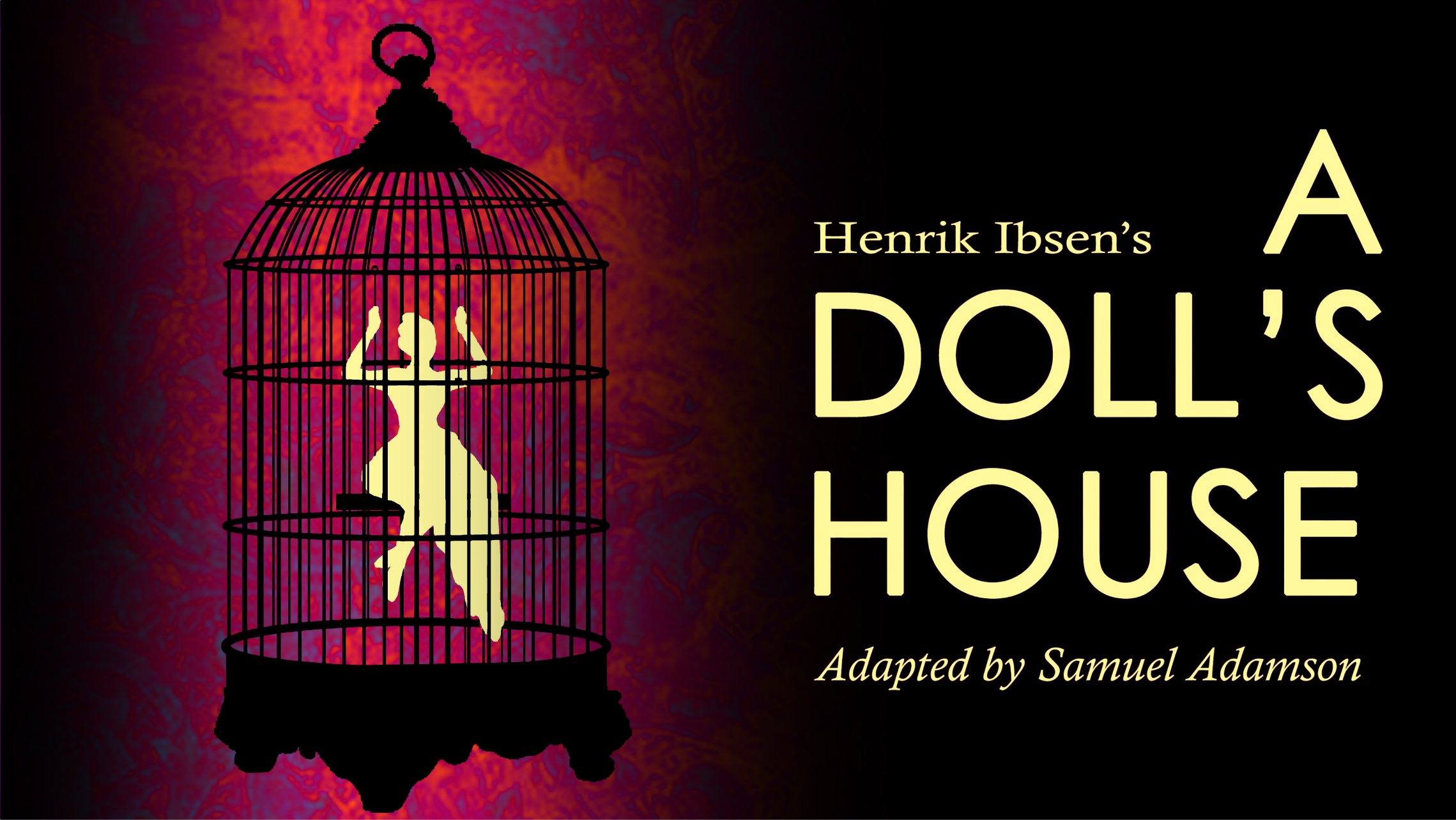
This study aimed at exploring the true condition of women by the eminent playwright Henrik Ibsen in his famous play A Doll’s House. The researchers chose content analysis method of research to analyze data. Here, the main focus was given on the exploration of the protagonist of A Doll’s House, Nora. A Doll’s House was a true revolutionary creation of Henrik Ibsen questioning the position of a woman in society and focusing the individual self of a woman than the role of a wife or mother. The play uniquely dealt with the real social problem of that time engaging the middle class people as the core characters. Superiority of males to females was a common practice of the patriarchal society of that time. In that case, women had no right or chance to break the rules. The study explored that women were deprived of their rights as a human being in the name of patriarchy. They had no freedom to take part in economic, social, political and decision making arena. They were shaped physically and mentally to follow the command of the male members of the family being confined to the four walls of their house. The scenario has been unfolded from the condition of Nora, the protagonist of A Doll’s House, who could not take even a Macaroon as her husband forbade her to do so. She was treated like a doll by her husband in every step of their conjugal life. Notably, the animal nicknames like “my little skylark” and “my squirrel” used by her husband to call her indicates her helplessness, dependence on her husband and a degree of dehumanization imposed by her husband. Besides, the other female characters were also seen mentally and physically shaped and suppressed by surrounded male authority.
Keyword: Women, Ibsen, A Doll’s House
Research Area: English Literature
Country: Bangladesh
download